Civil Military Relations Network
The Civil Military Relations Network’s headquarters is housed within Carleton University. We acknowledge the location of its campus on the traditional, unceded territories of the Algonquin nation. In doing so, Carleton and the CMR Network acknowledge we have a responsibility to the Algonquin people and a responsibility to adhere to Algonquin cultural protocols.

The Civil Military Relations Network is an independent international collaboration of non-partisan research partners from government, academia and civil society funded by the Government of Canada
Research Themes
Institutional Structures and Legal Frameworks of Civilian Control and Military Command
This research will examine how countries vary in terms of institutional structures and legal frameworks that govern civilian control of the armed forces and military command authority. Civilian control is taken as axiomatic in democratic states. Yet the way in which that control is exercised, and its effectiveness, depend heavily on the institutions that enable it. To understand this institutional variation, we will compare constitutional powers, legal frameworks, the size of bureaucracies, and the relative distribution of responsibilities between civilian decision-makers and military leaders.
Military Personnel
The recruitment and retention of military personnel are key concerns for democratic governments and raise important questions about the nature of CMR and the role of the military in society. Many militaries face high rates of attrition, declining interest in military careers, and problems with organizational culture, including the under representation of equity-deserving groups. In response, states have resorted to a wide range of potential solutions, such as mixing voluntary (professional) and coercive (conscription) models of recruitment and increasing their reliance on reserve forces, defence civilians, and contractors. This theme will bring together researchers from government and academia to compare and analyze data and policies from democracies on the following topics: recruitment and retention, total defence force coordination and integration, adapting military culture and the military profession, as well as the harmonization and benchmarking of such practices in multinational settings.
Democratic Erosion and the Security Sector in Comparative Perspective
With the rise and expansion of populist movements and illiberal currents around the globe, many democracies are experiencing new challenges—democratic erosion. Little scholarship on democratic erosion considers the impact and role of the military and security sector. Nevertheless, today politicians in many democracies are proposing controversial new internal security missions (such as the deployment of US National Guard to various cities to support the deportation of immigrants) or have threatened to or have already engaged in efforts to politicize their militaries and to exploit its symbolic or coercive power for partisan gain. This theme will analyze how these illiberal currents undermine democratic CMR, and track what form they are taking and how militaries have responded. We will engage in cross national survey research, which assesses how members of the publics and the military react to anti-democratic uses of military, to help expose critical points of failure and vulnerability. In addition to adding scholarly insight, the project will help identify practical strategies and early warning of challenges to democratic CMR. A key objective will be to identify the means through which militaries can bolster their democratic foundations. It will also identify strategies for Canada and other democracies to best navigate relations with allies and partners experiencing such challenges.
Society, Trust, and Evolving Politicization in Civil Military Relations
This theme examines CMR in democratic societies against the backdrop of declining public trust in institutions. Recent years have witnessed increasing cynicism and eroding confidence in democratic structures, potentially undermining governance stability and effectiveness. Military institutions, traditionally perceived as bastions of reliability and professionalism, are not immune to this trend of growing mistrust. Trust serves as a foundational element in the relationship between the military and civilians in democratic societies. It is a necessary condition for maintaining civilian control over the armed forces, ensuring military effectiveness, and preserving the democratic principles that underpin civil-military cooperation. However, increasing polarization and creeping politicization of military institutions further threaten this crucial trust. We will address three primary research questions. What shapes trust in the dynamics of CMR? To what extent does the increasing diversity (or lack thereof) within military leadership impact public trust and civilian-military relationships? How do international events and geopolitical tensions influence domestic trust in military institutions and CMR?
Research Leads
-
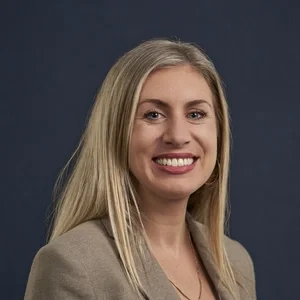
Dr. Stefanie von Hlatky
Professor and Canada Research Chair (Tier 2) in Gender, Security and the Armed Forces
Queen’s University
-
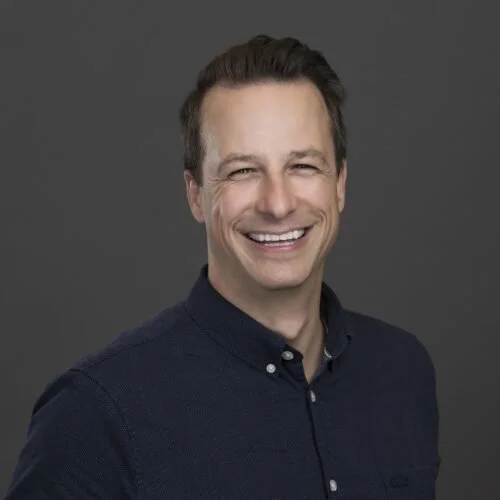
Dr. Jean-Christophe Boucher
Associate Professor, School of Public Policy and the Department of Political Science
University of Calgary
-
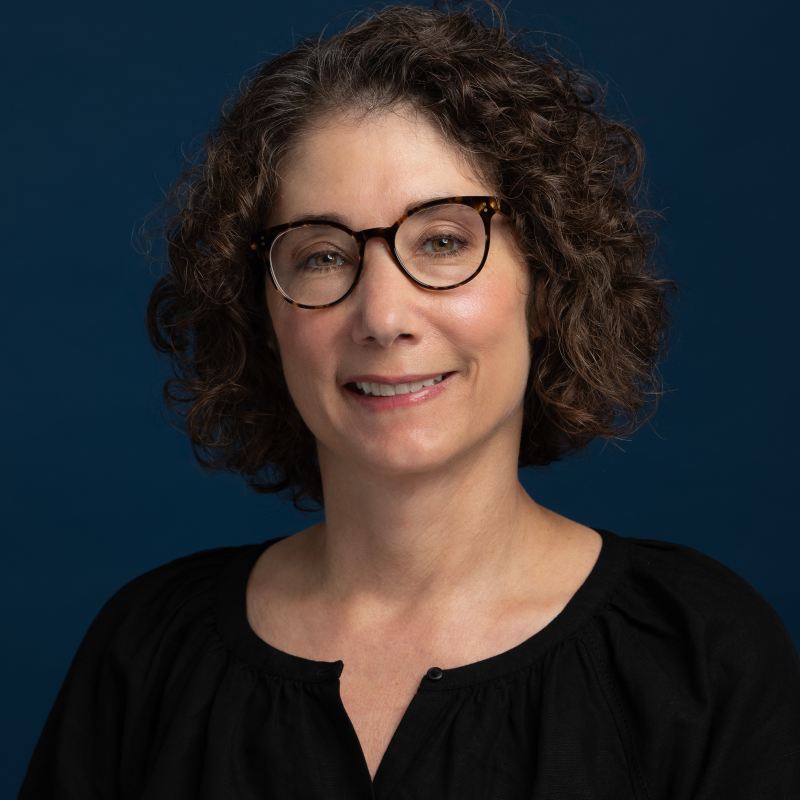
Dr. Risa Brooks
Allis Chalmers Professor and Director of Undergraduate Studies, Political Science
Marquette University
-
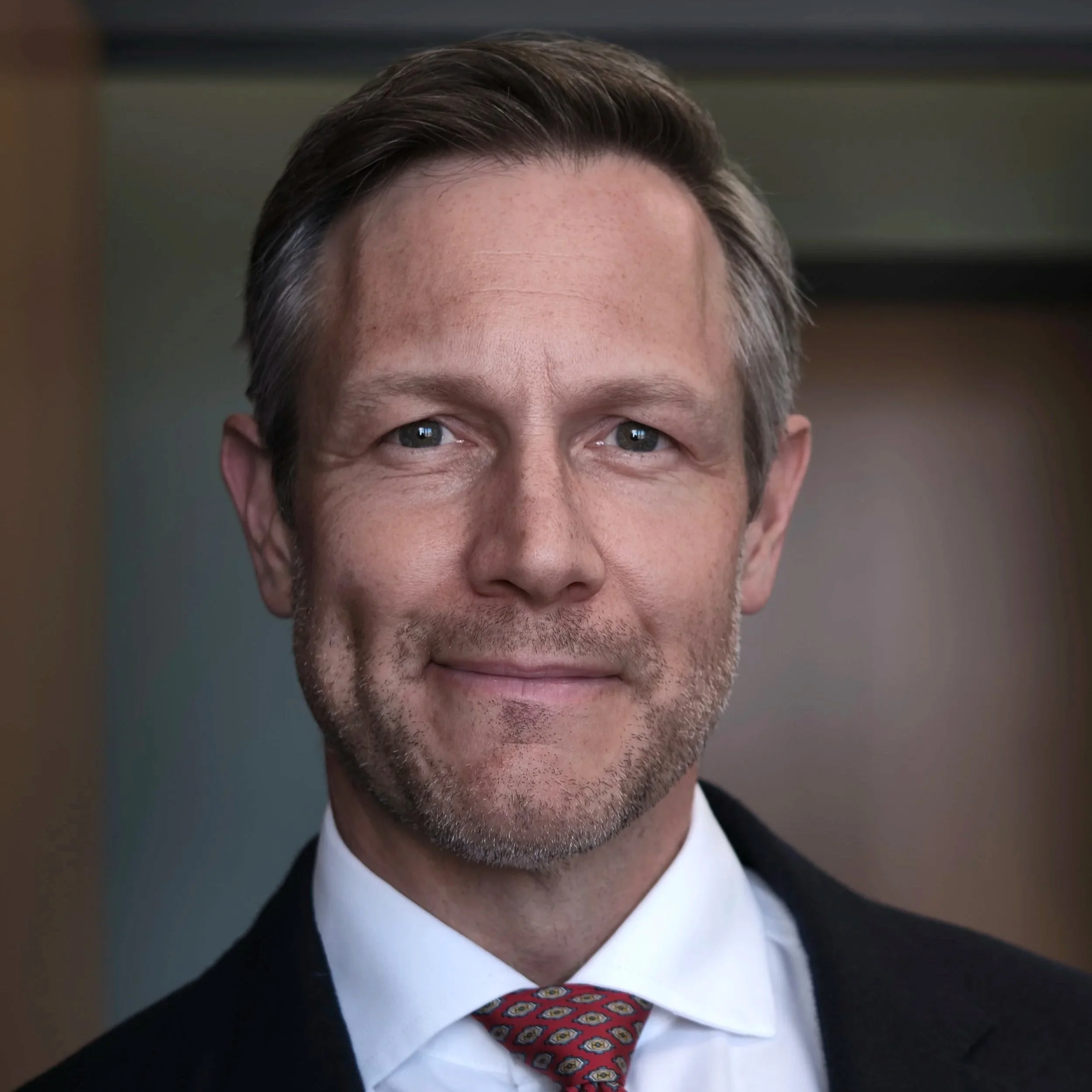
Dr. Philippe Lagassé
Professor, Norman Paterson School of International Affairs
Carleton University
-
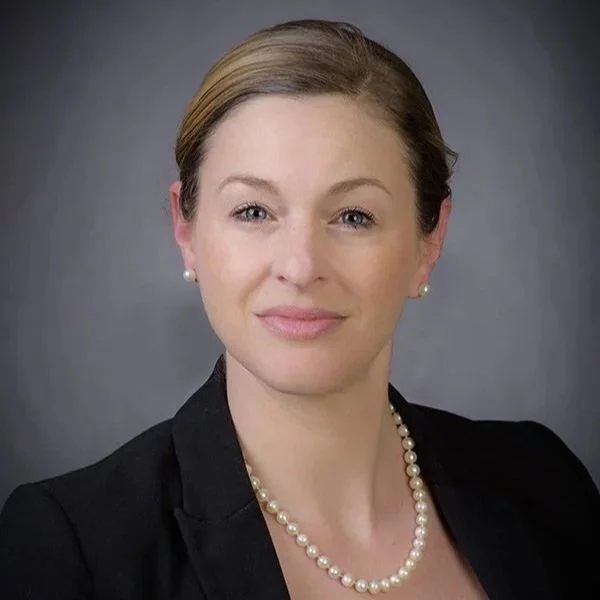
Dr. Lindsay P. Cohn
Professor, National Security Affairs
U.S. Naval War College
-

Dr. Carla Martínez Machain
Professor, Political Science
University at Buffalo
-
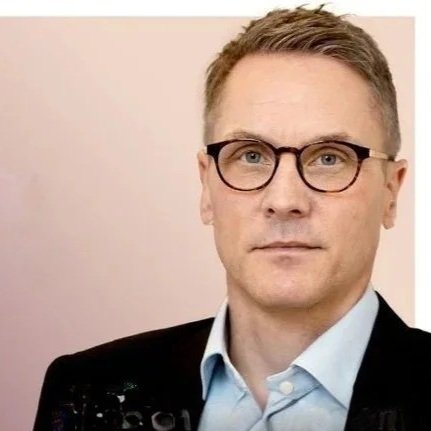
Dr. Joakim Berndtsson
Professor, School of Global Studies
University of Gothenburg
-
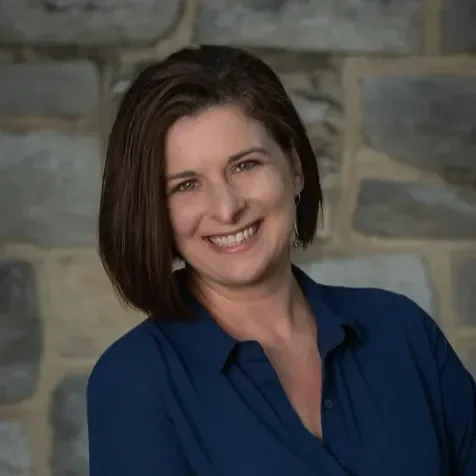
Dr. Carrie Lee
Senior Fellow, German Marshall Fund of the United States
-
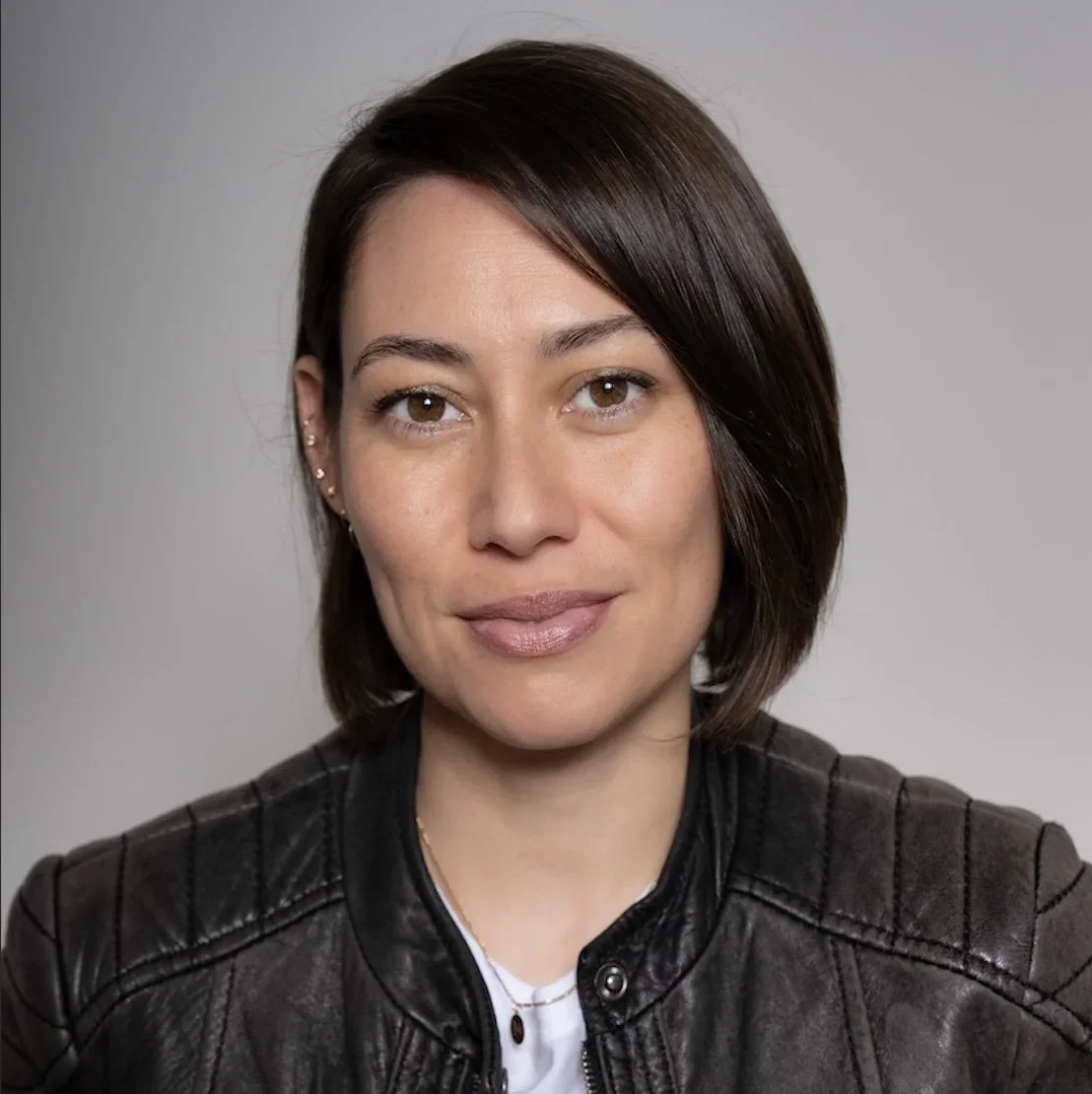
Dr. Natalie Sambhi
Founder and Executive Director
Verve Research
-

Dr. Irina Goldenberg
Director Research Operational and Organizational Dynamics / Director General Military Personnel Research and Analysis / Chief of Military Personnel
National Defence / Government of Canada
Dr. Stephen M. Saideman
Director, Civil Military Relations Network
Paterson Chair in International Affairs, Director of the Canadian Defence and Security Network and the Centre for Security, Intelligence and Defence Studies at the Norman Paterson School of Public Affairs at Carleton University